Lighting & Atmosphere

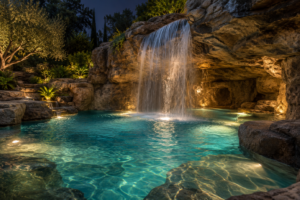
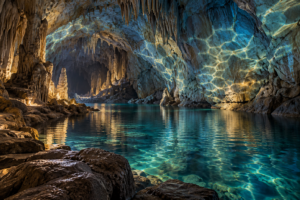
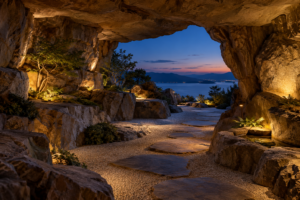
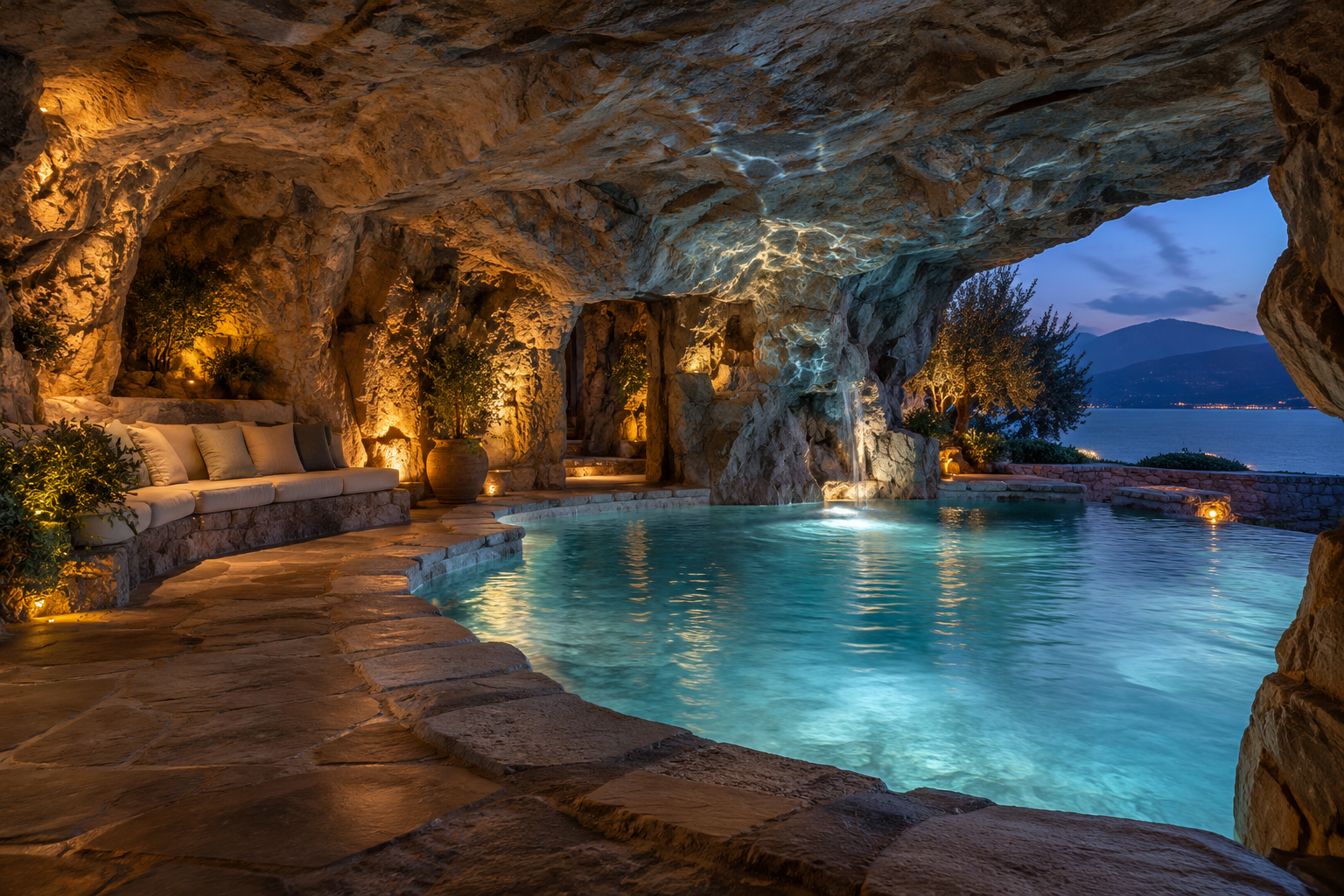
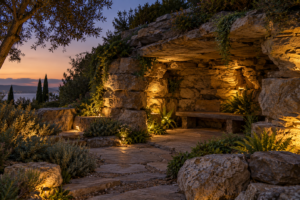
Illustration of warm rock lighting and blue water reflections inside a grotto at dusk

A grotto can feel entirely different without changing a single rock. Low light can draw attention to a mineral edge, reflected ripples can animate a ceiling, and the sound of water can make a small enclosure seem secluded. Yet atmosphere is more than dramatic illumination. Daylight, air movement, planting, temperature, and the ability to hear another person all contribute to the experience. Lighting & Atmosphere explores these relationships as parts of one sensory setting. Discover ways to reveal texture, preserve useful shadows, manage glare, and distinguish a comfortable retreat from an overstimulating spectacle. Compare underwater lighting with dry rock illumination, quiet soundscapes with lively cascades, and subtle controls with theatrical effects. The collection serves designers, homeowners, and operators who want a space to work across different hours and activities. It also considers the practical side of hidden fixtures and living surfaces: access, exposure, growth, and changing conditions. Begin with what a visitor should notice or feel, then examine how each environmental choice supports that intention without competing for attention or obscuring the space’s essential features.

Visual hierarchy: Give the eye a clear focal point instead of illuminating every surface equally.
Grazing light: Light traveling close to a surface emphasizes relief and small irregularities.
Glare: A visible bright source can distract from the rock it was intended to reveal.
Adaptation: Moving between bright daylight and a dark recess changes what visitors can see.
Reflection: Water can redirect light onto surfaces beyond the fixture's immediate target.
Sound field: Enclosure shape and hard surfaces influence the listening experience.
Air movement: A sheltered space still needs an appropriate ventilation approach.
Plant conditions: Light, moisture, and root space determine whether a planting concept can persist.
Controls: Separate functions allow a setting to change without replacing fixtures.
Serviceability: Concealment should not make maintenance impractical.
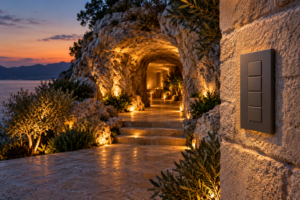
Warm stone: Restrained amber light can reveal texture without requiring saturated color.
Cool reflections: Pool movement can create changing patterns on nearby ceilings.
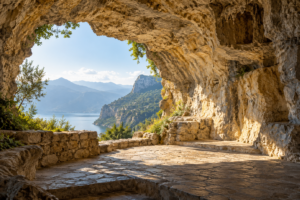
Silhouetted openings: A bright exterior can make an entrance read as a strong outline.
Soft approach: Gradual transitions help an interior feel connected to its surroundings.
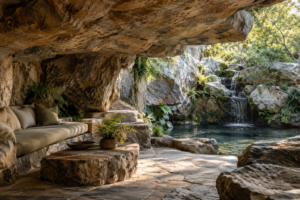
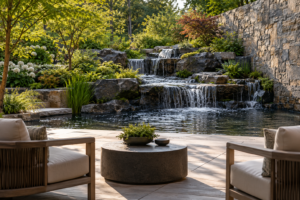
Quiet water: A gentle trickle supports a different mood from a broad crashing cascade.
Conversation pockets: Seating away from dominant sound sources can offer a calmer experience.
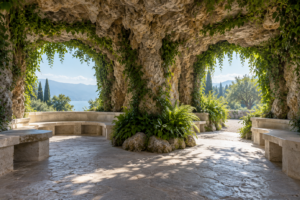
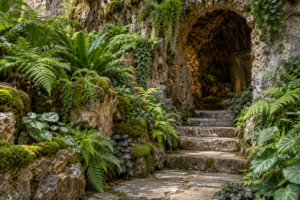
Living edges: Ferns and trailing plants can soften a threshold where conditions suit them.
Projection surfaces: Broad, predictable rock forms are easier to compose images across than fragmented detail.
Evening scenes: A reduced lighting arrangement can serve relaxation after active use ends.
Maintenance scenes: Practical illumination can coexist with a more discreet visitor presentation.
Observe at dusk: Watch which surfaces lose definition as daylight fades.
Test fixture positions: Compare glare from seated, standing, and approaching viewpoints.
Mock up texture: Aim sample lighting at the actual finish before finalizing placement.
Listen without pumps: Establish the background sound before evaluating added water effects.
Map conversations: Identify where people need to hear each other comfortably.
Check reflected views: Look for bright sources mirrored in water.
Consider seasonal plants: Explore how growth and leaf loss alter the composition.
Separate control groups: Distinguish circulation, accent, underwater, and service lighting.
Review access routes: Make lamp, driver, and control maintenance part of the layout.
Compare sensory loads: Decide which effects should lead and which should remain quiet.
Q: Does brighter lighting reveal more texture?
A: Not necessarily. Direction and contrast often matter more than overall brightness.
Q: Can one lighting scene suit every activity?
A: A restful evening and a maintenance visit usually need different arrangements.
Q: Why evaluate lights from several positions?
A: A fixture hidden from one viewpoint may produce glare from another.
Q: Is underwater lighting interchangeable with garden lighting?
A: No. Equipment must be suitable for its specific installation and exposure.
Q: Will a waterfall conceal all surrounding noise?
A: Its effect depends on the sound sources, levels, locations, and enclosure.
Q: Can plants thrive in any shaded grotto?
A: No. Species requirements must match the actual light, moisture, and growing conditions.
Q: Are colored lights necessary for immersion?
A: Naturalistic light and shadow can create a strong atmosphere without saturated colors.
Q: Why keep access to concealed equipment?
A: Drivers, connections, fixtures, and controls may require inspection or replacement.
Q: Can projection replace rock texture?
A: It can alter appearance, but the underlying geometry still affects the result.
Q: What should an atmosphere brief describe?
A: State the desired mood, activities, viewpoints, operating times, and sensory priorities.

Latest Lighting & Atmosphere Articles