
Leaks, Cracks & Rockwork Repairs

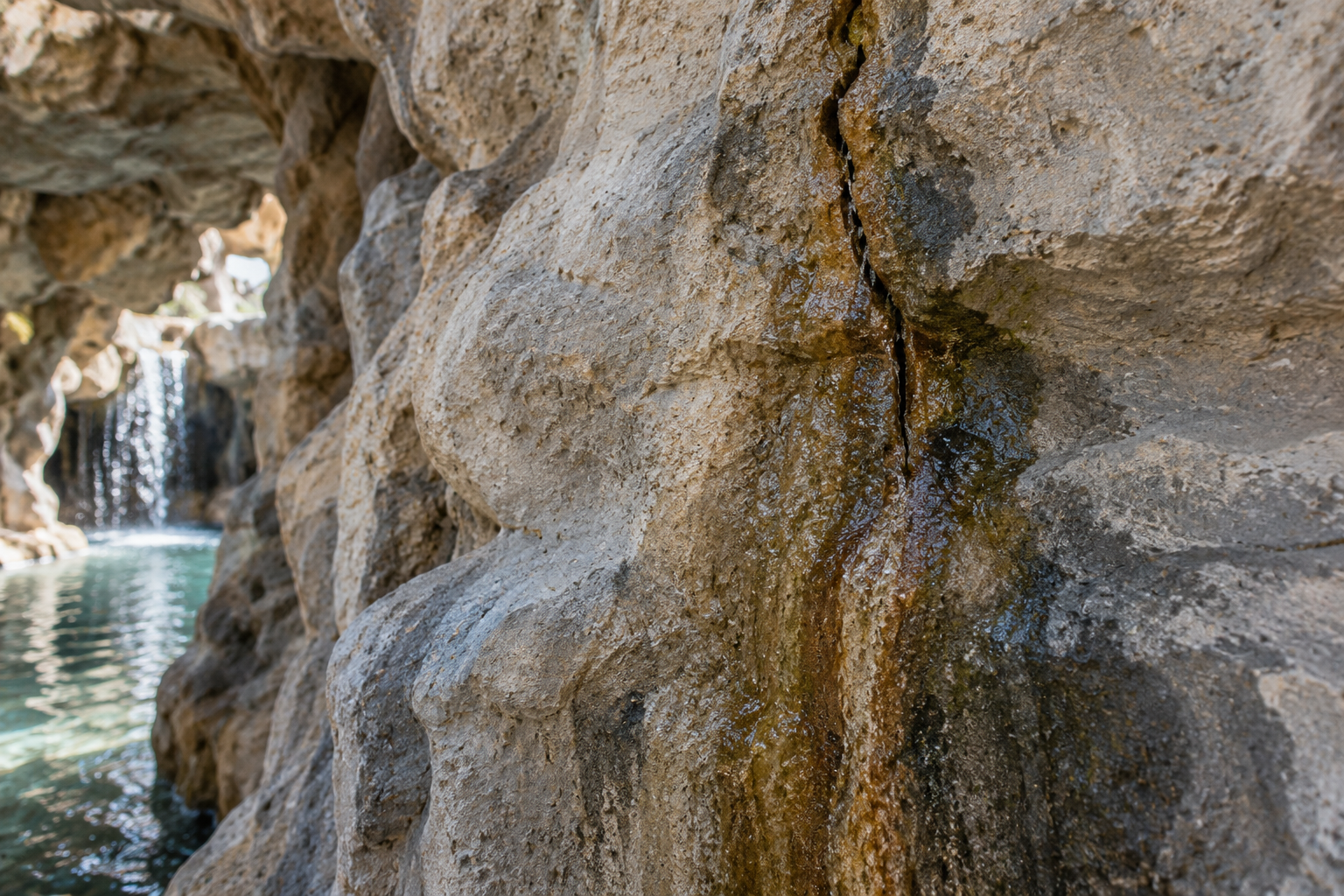
Concept illustration of detailed editorial close-up of a narrow crack and damp staining on a sculpted concrete grotto wall, realistic mineral texture

A crack is a visible line, but its significance depends on the assembly around it. A leak is visible water, but its route may begin somewhere far from the point where it appears. Leaks, Cracks & Rockwork Repairs explores those distinctions before discussing intervention. Natural stone joints, sculpted concrete, lightweight panels, coatings, waterproofing layers, and structural supports do not share a single repair method. This collection considers how to document symptoms, establish material identity, recognize the limits of surface observation, and prepare useful information for qualified assessment. It also examines repair compatibility, visual matching, access to concealed components, and the importance of checking results under relevant conditions. Covering a stain or filling a line can obscure evidence without resolving the cause. Readers can learn to separate cosmetic concerns from questions about movement, water management, or structural performance. The goal is a repair process that explains what is being addressed and how success will be evaluated. A clear record helps owners and maintenance teams understand the intervention rather than treating each recurring symptom as a mystery.

Symptom record: Describe what is visible.
Assembly context: Identify the layers and supports involved.
Water route: The source may differ from the exit point.
Movement question: Cracks need contextual assessment.
Repair purpose: State the problem being addressed.
Material compatibility: Match the intervention to the system.
Access needs: Concealed causes may require investigation.
Visual matching: Consider color, texture, and weathering.
Verification: Check results under relevant conditions.
Repair history: Preserve the intervention record.
Surface filling: It may hide an unresolved cause.
Rain timing: Symptoms may follow particular weather.
System operation: Leaks can depend on pumps or water effects.
Old patches: Previous work changes the repair context.
Different materials: Interfaces may behave differently.
Crack appearance: Width alone does not establish significance.
Wet staining: Moisture can spread beyond its source.
Color matching: Fresh material may change as it cures or ages.
Hidden layers: Waterproofing may sit behind visible rockwork.
Recurring defects: Repetition deserves renewed investigation.
Symptom maps: Locate cracks and moisture patterns.
Dated photographs: Record change without disturbing evidence.
Assembly drawings: Identify concealed components.
Material records: Confirm original and repair products.
Professional investigation: Match expertise to structural or water concerns.
Repair specifications: Define preparation, materials, and intended result.
Mockup areas: Review visual and material compatibility.
Operating logs: Compare symptoms with system use.
Follow-up schedules: Recheck after relevant exposure.
Completion records: Document what was actually installed.
Cause-led scope: The repair should address the identified mechanism.
Evidence preservation: Premature covering can complicate investigation.
System continuity: A patch must function within the larger assembly.
Appearance and performance: Both need explicit acceptance criteria.
Access consequences: Reaching a defect may affect surrounding finishes.
Movement accommodation: Rigid filling is not a universal answer.
Water complexity: Several sources can contribute to one damp area.
Repair aging: Visual matches should consider future exposure.
Professional boundaries: Structural concerns exceed cosmetic maintenance.
Learning from recurrence: Failed repairs can provide useful diagnostic information.
Traveling water: Moisture may emerge far from its entry.
Hidden chronology: Layered patches reveal earlier attempts.
Dry-weather clues: Persistent dampness can suggest operating relationships.
Texture camouflage: Naturalistic relief can conceal small changes.
Color halos: A repair may become visible through surrounding weathering.
Seasonal movement: Conditions can change with temperature and moisture.
Photographic comparison: Stable framing helps reveal progression.
Interface stories: Transitions often deserve close attention.
Repair signatures: Tooling and pigment can identify past work.
Records as maps: Old documentation can explain otherwise puzzling details.
Q: Can a crack be judged from one photograph?
A: Usually not; material, location, history, and movement matter.
Q: Should a leak be sealed where water appears?
A: The source and assembly need assessment first.
Q: Are all rockwork repairs cosmetic?
A: Some involve waterproofing, supports, or structural performance.
Q: Why identify original materials?
A: Compatibility affects both function and appearance.
Q: Can paint hide a repair problem?
A: It may hide symptoms without resolving the cause.
Q: What should be recorded before work?
A: Location, extent, timing, conditions, and previous interventions.
Q: Who should assess structural concerns?
A: A qualified structural professional.
Q: When should a repair be checked?
A: Under the conditions relevant to the original problem.
Q: What if a defect returns?
A: Reassess the cause and the earlier repair assumptions.
Q: What belongs in the final record?
A: Scope, materials, dates, findings, photographs, and verification results.