
Product Reviews

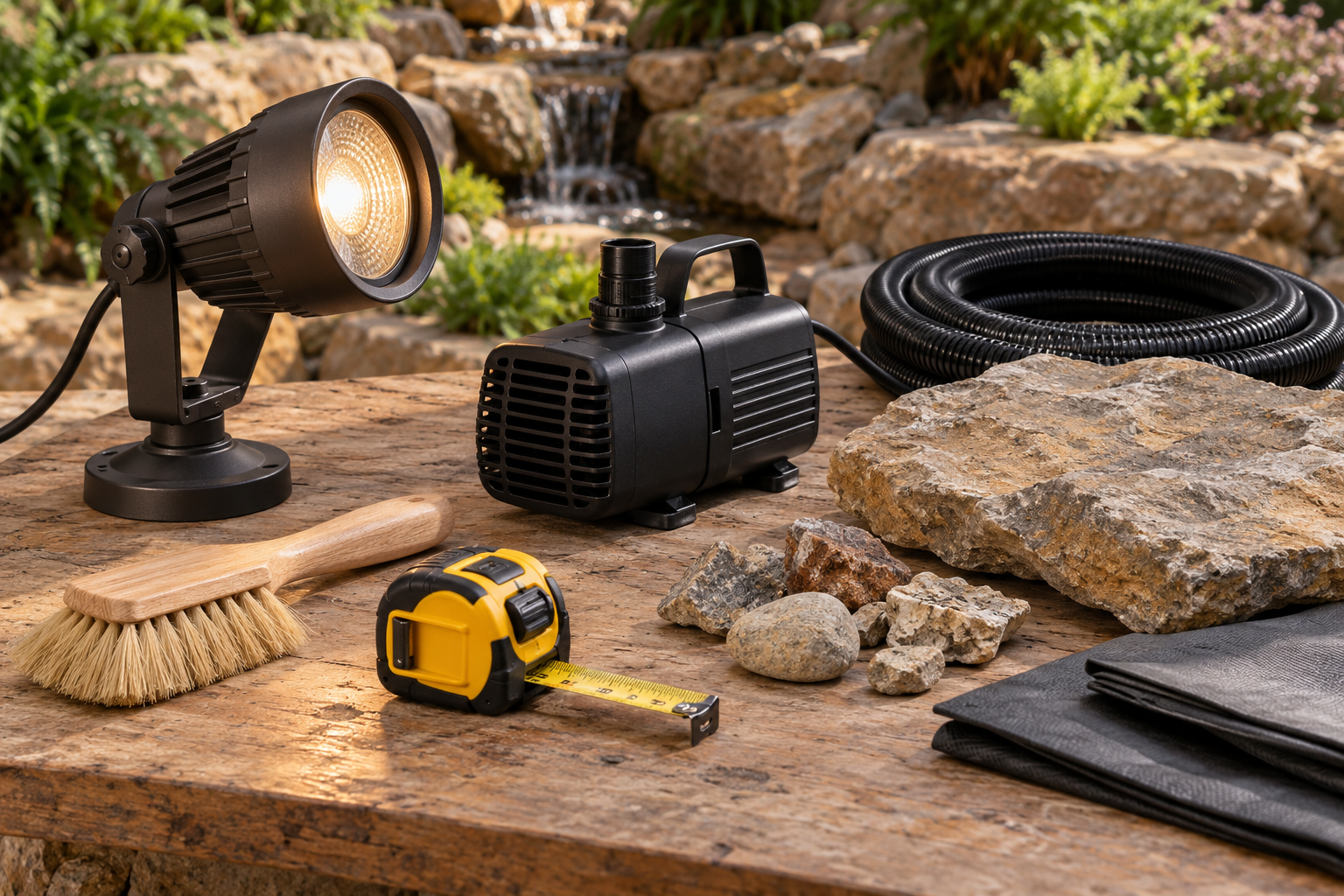
Concept illustration of a carefully arranged unbranded grotto design toolkit on a neutral workbench: compact outdoor spotlight, small pump, stone sample, soft brush and measuring tape

Choosing equipment for a grotto begins with the job it must perform. A spotlight needs an appropriate environment and mounting arrangement; a pump belongs within a designed water system; a surface product must suit the material beneath it. Product Reviews organizes those questions before any comparison of brands or models. This section covers relevant lighting, water equipment, tools, materials, and care products through their stated purpose, documented specifications, installation requirements, serviceability, and limitations. A useful review should identify its evidence and distinguish manufacturer information from independently observed results. It should also explain who might benefit from a product and which conditions could make it unsuitable. This page introduces that evaluation approach without claiming hands-on tests or naming unsupported winners. Readers can use the reference boxes to prepare a purchasing brief and recognize gaps in a product description. Price matters, but so do replacement parts, compatibility, access for maintenance, and the cost of keeping a system operating. The aim is informed selection grounded in the actual setting rather than a persuasive photograph or a marketing promise.

Use case: Define the intended task.
Product identity: Record the exact model and version.
Specification: Check documented capabilities and limits.
Compatibility: Confirm relationships to materials and systems.
Installation conditions: Review environmental and mounting requirements.
Evidence type: Separate claims from observed results.
Serviceability: Consider maintenance and replacement access.
Ownership cost: Look beyond initial purchase price.
Warranty scope: Read the applicable terms.
Review transparency: State methods, sources, and limitations.
Model differences: Similar names may hide important variations.
Ratings: Their meaning depends on the test or standard.
Accessories: Required components may be sold separately.
Replacement parts: Availability affects long-term use.
Operating conditions: Performance claims have stated assumptions.
Material contact: Suitability depends on actual exposure.
Installation labor: It can exceed the product’s price.
Documentation quality: Missing information complicates comparison.
Product changes: Specifications may be revised.
Affiliate relationships: Relevant commercial connections should be disclosed.
Specification sheets: Compare exact documented properties.
Installation manuals: Identify required arrangements and restrictions.
System drawings: Check how the product fits the project.
Compatibility statements: Seek explicit material and use guidance.
Warranty documents: Review coverage and exclusions.
Parts lists: Confirm maintainable components.
Cost worksheets: Include operation, service, and replacement.
Supplier questions: Resolve gaps before ordering.
Sample products: Evaluate appearance where appropriate.
Evidence notes: Record the basis for each comparison.
System suitability: A strong standalone product can be wrong for an assembly.
Comparable evidence: Match claims measured under similar conditions.
Review boundaries: A specification review differs from a field test.
Service access: Product selection can create maintenance obligations.
Durability context: Exposure and care influence useful life.
Total cost: Energy, consumables, and downtime can alter value.
Uncertainty disclosure: Missing evidence should remain visible.
Commercial independence: Payment does not establish performance.
Application specificity: Broad labels need detailed support.
Selection accountability: Keep the reasoning behind consequential choices.
Hidden accessories: Small fittings can determine whether installation works.
Model suffixes: A few letters may identify a different configuration.
Finish perception: Samples can look different under site lighting.
Packaging promises: The manual may contain crucial qualifications.
Replacement cycles: A discontinued component can affect a larger system.
Quiet costs: Routine consumables accumulate over time.
Access surprises: A compact device can need substantial service space.
Document dates: Older data may describe an earlier version.
Specification language: Similar terms can represent different measures.
Evidence gaps: A polished presentation can still omit essential information.
Q: Has every product here been physically tested?
A: No. Any review must state its actual evidence and methods.
Q: Does a high price prove suitability?
A: No. The product must match the specific application.
Q: Why record the exact model?
A: Variants can differ in ratings, parts, and installation needs.
Q: Can manufacturer claims be repeated as test results?
A: No. Their source and limitations must remain clear.
Q: Should installation manuals be read before purchase?
A: They can reveal decisive restrictions and additional requirements.
Q: What belongs in ownership cost?
A: Purchase, installation, operation, maintenance, parts, and replacement.
Q: Can a review replace professional equipment selection?
A: Complex systems require appropriate qualified design.
Q: How should commercial relationships be handled?
A: Disclose relevant affiliate or sponsorship arrangements.
Q: What if documentation is incomplete?
A: Resolve important uncertainties before relying on the product.
Q: What makes a useful comparison?
A: Consistent criteria, relevant evidence, clear limitations, and application-specific conclusions.