
Safety, Care & Restoration

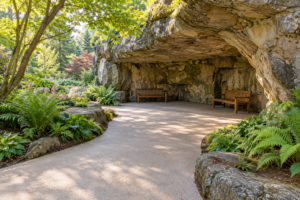
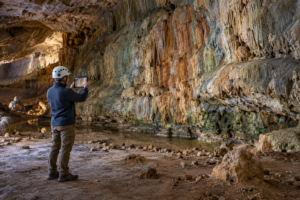
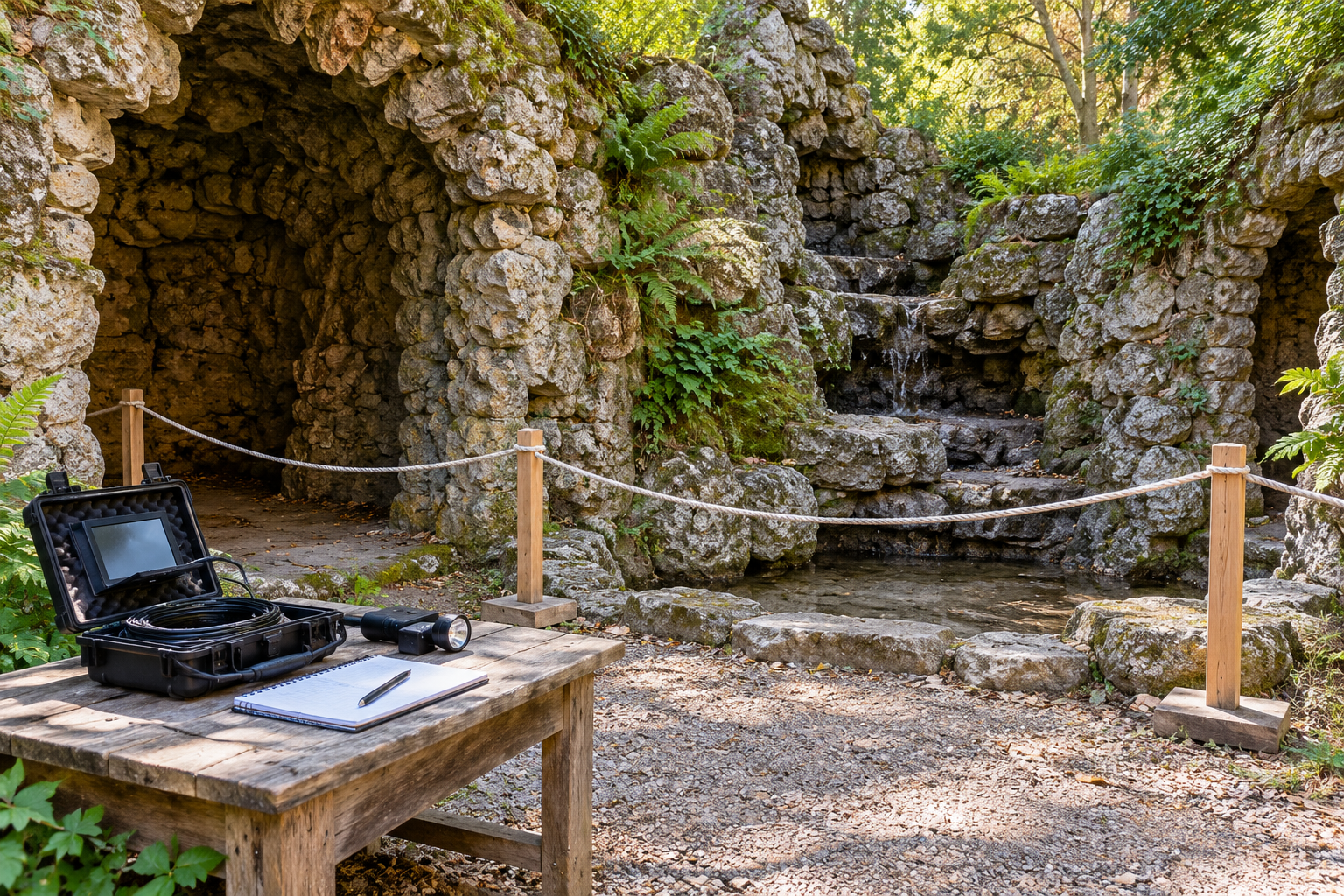
Illustration of inspection equipment beside a roped-off garden grotto

The day a grotto opens is the beginning of its life. Water leaves deposits, planting reaches new surfaces, equipment needs attention, and small changes can gradually alter how the space looks and functions. Safety, Care & Restoration follows that longer story. Explore condition inspections, surface cleaning, water quality, seasonal shutdowns, repairs, and renewal projects that preserve an environment’s character while addressing its changing needs. The collection also considers the people using the space: accessible routes, visibility, visitor behavior, and the responsibilities that accompany a public or private water feature. Different materials demand different judgments. A natural stone face, a colored cement finish, and a coated scenic shell should not automatically receive the same treatment. Useful care begins with knowing what was built and keeping records that make changes recognizable. Here, owners and operators can develop better questions for maintenance teams and specialists, compare intervention options, and understand when appearance alone is an unreliable guide. The goal is a grotto that remains understandable, usable, and thoughtfully maintained through changing seasons, repairs, and future generations of visitors.

Asset records: Keep drawings, material information, and equipment manuals together.
Baseline condition: Early photographs make later changes easier to recognize.
Inspection scope: Distinguish routine observations from specialist assessments.
Visitor use: Actual behavior can reveal issues missed in an empty space.
Surface identity: Cleaning decisions depend on the material and finish present.
Water management: Leaks, runoff, splash, and treatment problems require different investigations.
Access continuity: Planting, furniture, or repairs can alter previously usable routes.
Seasonal exposure: Temperature and weather influence the maintenance calendar.
Repair compatibility: New materials must suit the existing assembly and conditions.
Renewal planning: Long-term replacement needs deserve attention before components fail.
Condition photographs: Repeatable viewpoints create a useful visual history.
Change maps: Marking locations on a plan prevents vague maintenance reports.
Surface trials: A limited test can reveal an unsuitable cleaning effect before wider treatment.
Drain checks: Debris accumulation can change where water travels.
Joint observation: Movement locations deserve attention separate from decorative cracks.
Lighting upkeep: A failed fixture may change visibility as well as atmosphere.
Plant management: Growth can conceal access panels or affect circulation.
Water records: Operating logs add context that a single sample cannot provide.
Winter readiness: Seasonal procedures depend on the equipment and local exposure.
Restoration samples: Agreed reference areas help evaluate color and texture matching.
Organize the record: Gather the information needed to identify existing systems.
Establish viewpoints: Choose repeatable positions for condition photographs.
Describe changes precisely: Record location, extent, timing, and surrounding conditions.
Separate symptoms: Avoid assuming that every damp patch has the same source.
Review visitor routes: Observe the space during typical use and maintenance.
Consult finish guidance: Match proposed treatments to documented materials.
Plan specialist input: Identify questions that exceed routine maintenance knowledge.
Schedule around use: Consider how closures affect the wider site.
Retain repair history: Record products, methods, dates, and areas treated.
Assess renewal options: Compare repair, replacement, and redesign against the intended future use.
Q: Does a new stain always indicate a leak?
A: No. Moisture, deposits, biological growth, coatings, and other conditions can alter appearance.
Q: Can pressure washing be used on every rock finish?
A: No. Material, surface condition, and finish guidance must inform the method.
Q: Why keep photographs from opening day?
A: They establish a reference for later wear, discoloration, and changes in form.
Q: Are all visible cracks structural?
A: No, but appearance alone cannot reliably establish their significance.
Q: Can a repair be judged immediately by color?
A: Some materials change appearance as they dry or cure, so the evaluation conditions matter.
Q: Does clear pool water prove correct treatment?
A: No. Water quality requires appropriate testing and operating procedures.
Q: Should plants be allowed to cover service openings?
A: Access should remain usable even when the planting matures.
Q: Is winterization identical for every grotto?
A: No. Climate, equipment, plumbing, and operating plans determine the relevant procedures.
Q: When does restoration become redesign?
A: Changing the intended use, geometry, or major systems extends beyond simply restoring existing finishes.
Q: What makes a maintenance report useful?
A: Clear locations, observations, photographs, dates, and actions allow later comparisons.

Latest Safety, Care & Restoration Articles