
Water Quality & Biological Growth

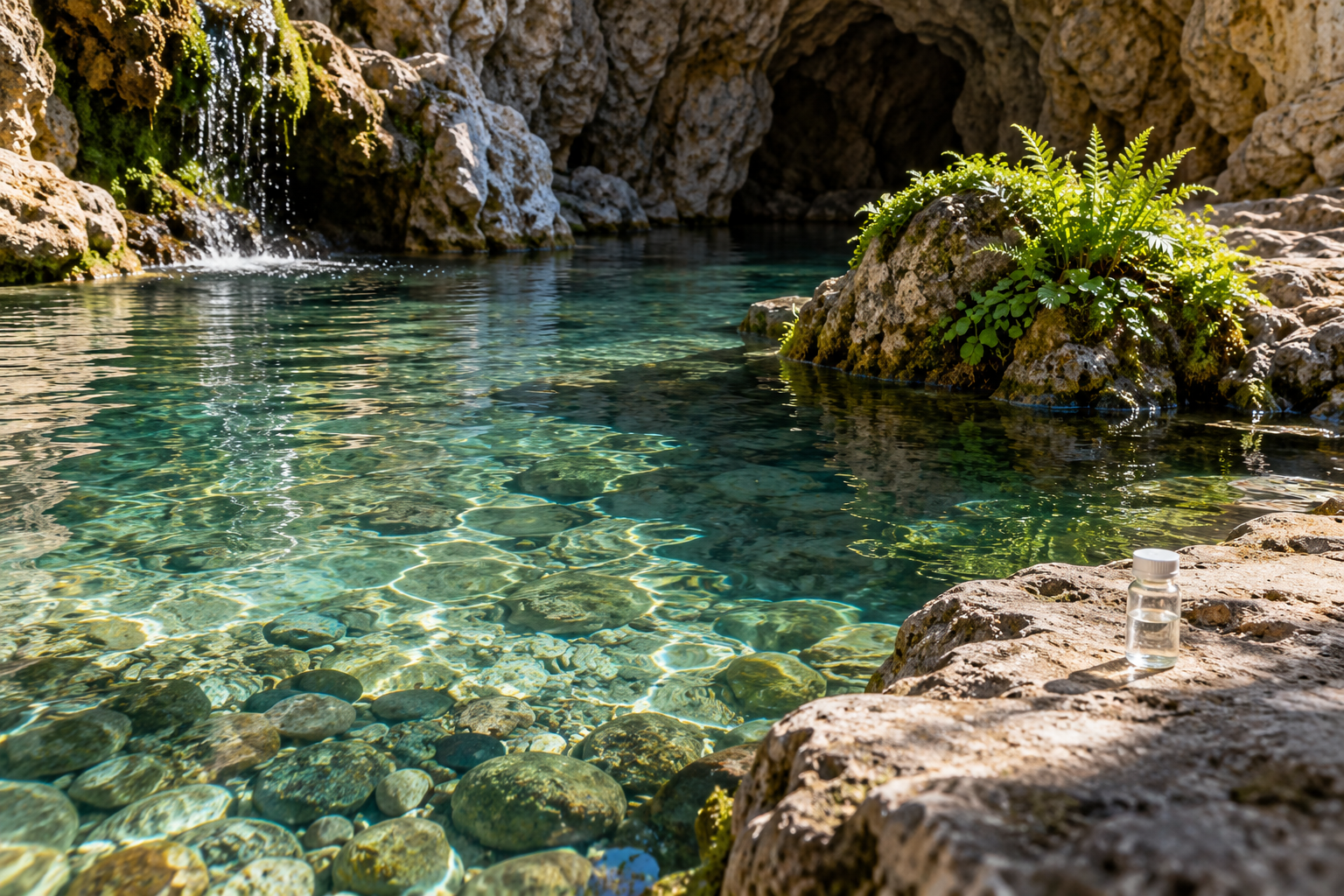
Concept illustration of a clear shallow ornamental grotto pool with a modest patch of green growth on a separate rock at the waterline, discreet unbranded water-sampling vial on the dry ledge, daylight

Clear water and a convincing natural appearance are not the same as verified water quality. A grotto pool, an ornamental cascade, and a wildlife water feature serve different purposes and need different management. Water Quality & Biological Growth begins by identifying that intended use. From there, the subject includes monitoring, circulation, treatment responsibilities, cleaning access, and the conditions that allow unwanted growth to persist. Green coloration, slippery films, unusual odors, or changing clarity are observations that deserve context rather than instant diagnosis. This collection explains how records, system information, and qualified advice support better decisions. It also distinguishes desired planting and natural patina from growth that conflicts with the feature’s operation or visitor use. For swimming and spa environments, appropriate aquatic management and applicable requirements remain central. For ornamental settings, maintenance still needs to consider exposure, wildlife, runoff, and public contact. Readers can explore the relationship between water, surfaces, equipment, and operating habits, building a practical understanding of why a healthy-looking scene requires more than inspection or a treatment chosen because the water appears discolored.

Intended use: Distinguish swimming, ornamental, and habitat water.
Monitoring: Use checks appropriate to the system.
Circulation: Water movement depends on the complete design.
Treatment responsibility: Assign competent management.
Growth identification: Appearance alone may be insufficient.
Surface condition: Films can affect use and maintenance.
Cleaning access: Reachable surfaces support planned care.
Operating records: Track observations and measured results.
Public contact: Exposure influences management needs.
Professional guidance: Match advice to the water feature.
Clear appearance: It does not prove microbiological safety.
Water chemistry: Swimming systems require appropriate testing.
Shaded surfaces: Local conditions can favor growth.
Dead spaces: Poorly served areas may be harder to maintain.
Seasonal changes: Temperature and debris affect operation.
Planting context: Desired vegetation differs from unwanted films.
Odor changes: Record them rather than guessing a cause.
Treatment interactions: Products must suit the system and materials.
Wildlife contact: Ornamental water can attract animals.
Maintenance gaps: Interrupted routines can alter conditions.
Suitable test equipment: Select tools for the specific water system.
Operating logs: Record results, observations, and actions.
System drawings: Identify circulation and treatment components.
Cleaning schedules: Coordinate surface care with water management.
Manufacturer guidance: Confirm equipment and product requirements.
Qualified operators: Use expertise appropriate to aquatic facilities.
Sampling plans: Follow relevant professional guidance.
Material inventories: Check compatibility before treatment.
Access equipment: Enable approved maintenance safely.
Incident procedures: Define responses to unacceptable conditions.
Appearance versus evidence: Visual clarity is only one observation.
System-wide thinking: Water and surfaces influence each other.
Targeted action: Identify the problem before choosing treatment.
Use-specific management: Ornamental and bathing water are not interchangeable.
Prevention through access: Maintainable geometry supports consistent care.
Trend interpretation: Records reveal patterns missed by isolated checks.
Environmental context: Runoff and treatment residues need consideration.
Biological nuance: Not every green surface has the same significance.
Operational consistency: Reliable routines matter beyond initial commissioning.
Specialist escalation: Persistent changes may require deeper investigation.
Waterline bands: Changing levels can leave visible histories.
Sunlight patterns: Growth may differ across one small feature.
Rock reflections: Color can come from surfaces rather than water.
Seasonal debris: Falling leaves change maintenance demands.
Moving shadows: Water can make stationary films harder to notice.
Quiet corners: Small recesses may differ from the main flow.
Plant relationships: Roots and organic matter connect landscape and water.
Visual ambiguity: Similar discoloration can have different causes.
Routine records: Ordinary logs can reveal unexpected correlations.
Scenic aging: A natural look still needs deliberate management.
Q: Does clear pool water prove it is safe?
A: No. Appropriate testing and management are still required.
Q: Can ornamental water be treated like swimming water?
A: Intended use and system requirements differ.
Q: Is every green patch algae?
A: Appearance alone may not identify the organism or deposit.
Q: Should treatment be chosen by water color?
A: Establish the cause and system requirements first.
Q: Why record test results?
A: Trends and actions support consistent management.
Q: Can rockwork affect upkeep?
A: Recesses, texture, and access influence cleaning and circulation.
Q: What if a swimming system fails required checks?
A: Follow applicable closure and corrective procedures.
Q: Should plants be removed automatically?
A: Their intended role and effects need assessment.
Q: Can a chemical suit every finish?
A: Compatibility with materials and equipment must be confirmed.
Q: Who should resolve persistent problems?
A: Qualified aquatic or water-feature professionals appropriate to the setting.