
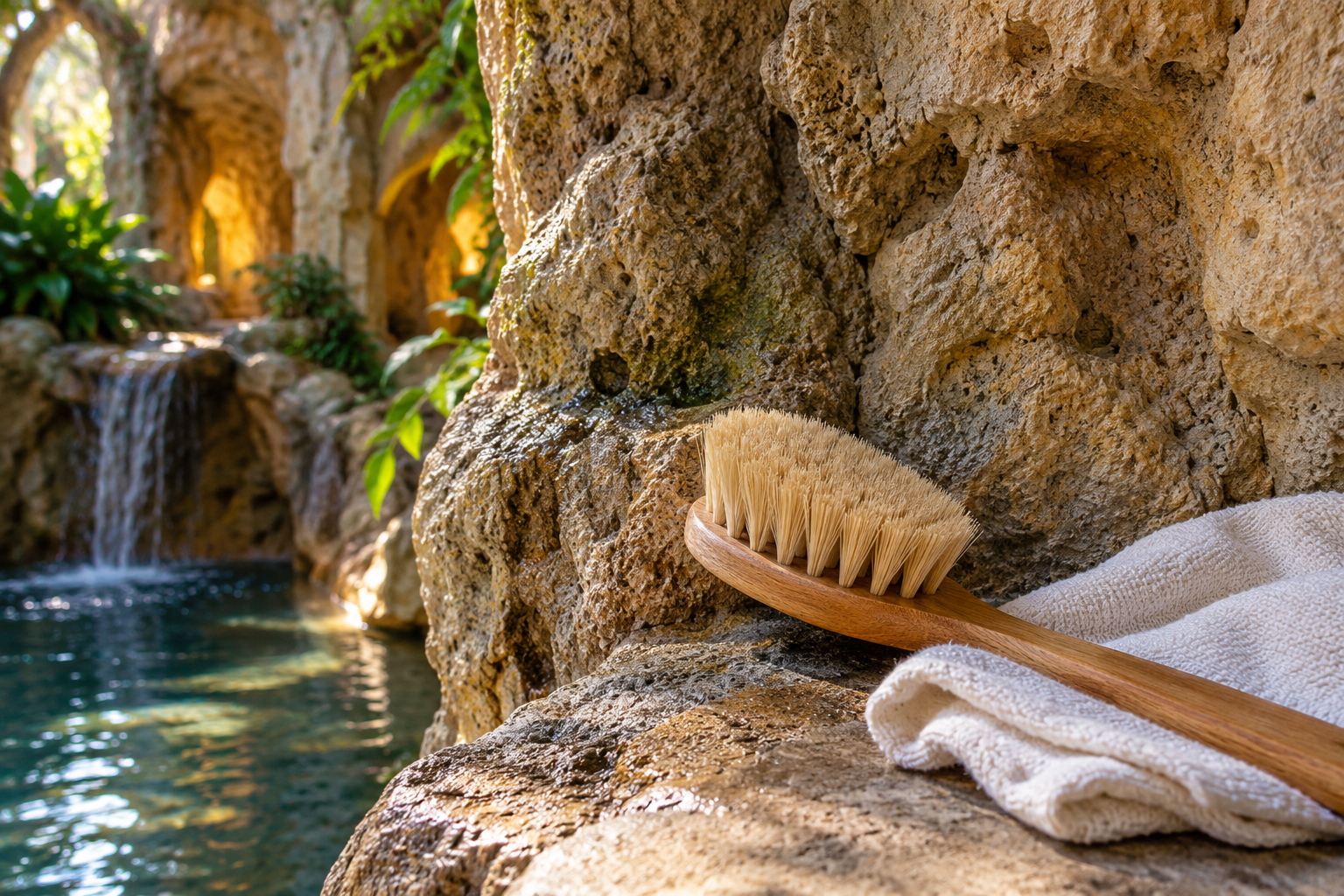
The surface that makes a grotto convincing is also the surface most easily changed by careless cleaning. Pigment, fine texture, mineral variation, coatings, and weathered edges may all contribute to its character. Cleaning & Surface Care treats those details as part of the material rather than as an obstacle to a uniformly new appearance. Begin by distinguishing natural stone, sculpted cementitious finishes, coated panels, and other installed systems. Then consider the nature of the deposit, the condition beneath it, and the reason cleaning is proposed. Dust on a dry ledge, biological growth beside water, and a pale mineral crust are different problems. This collection explores compatible methods, controlled trials, documentation, runoff considerations, and the value of manufacturer or conservation guidance. It also separates ordinary housekeeping from treatments that can alter or damage a finish. Readers can develop a clearer care brief without assuming that stronger chemicals or greater force produce a better result. Successful cleaning achieves an appropriate purpose while preserving the surface qualities that belong to the grotto and the surrounding environment over time.
A: First determine its nature, significance, and treatment consequences.
A: No. Material condition and finish compatibility must be assessed.
A: No. Products can react with stone, coatings, or pigments.
A: A trial helps reveal appearance and material effects.
A: Review after suitable drying as well.
A: Obtain records or specialist identification before treatment.
A: The underlying water issue may need separate attention.
A: Cleaning residues can affect the surrounding environment.
A: A qualified conservation professional.
A: Achieving the agreed care objective without unacceptable loss or damage.