
Inspections & Condition Assessment

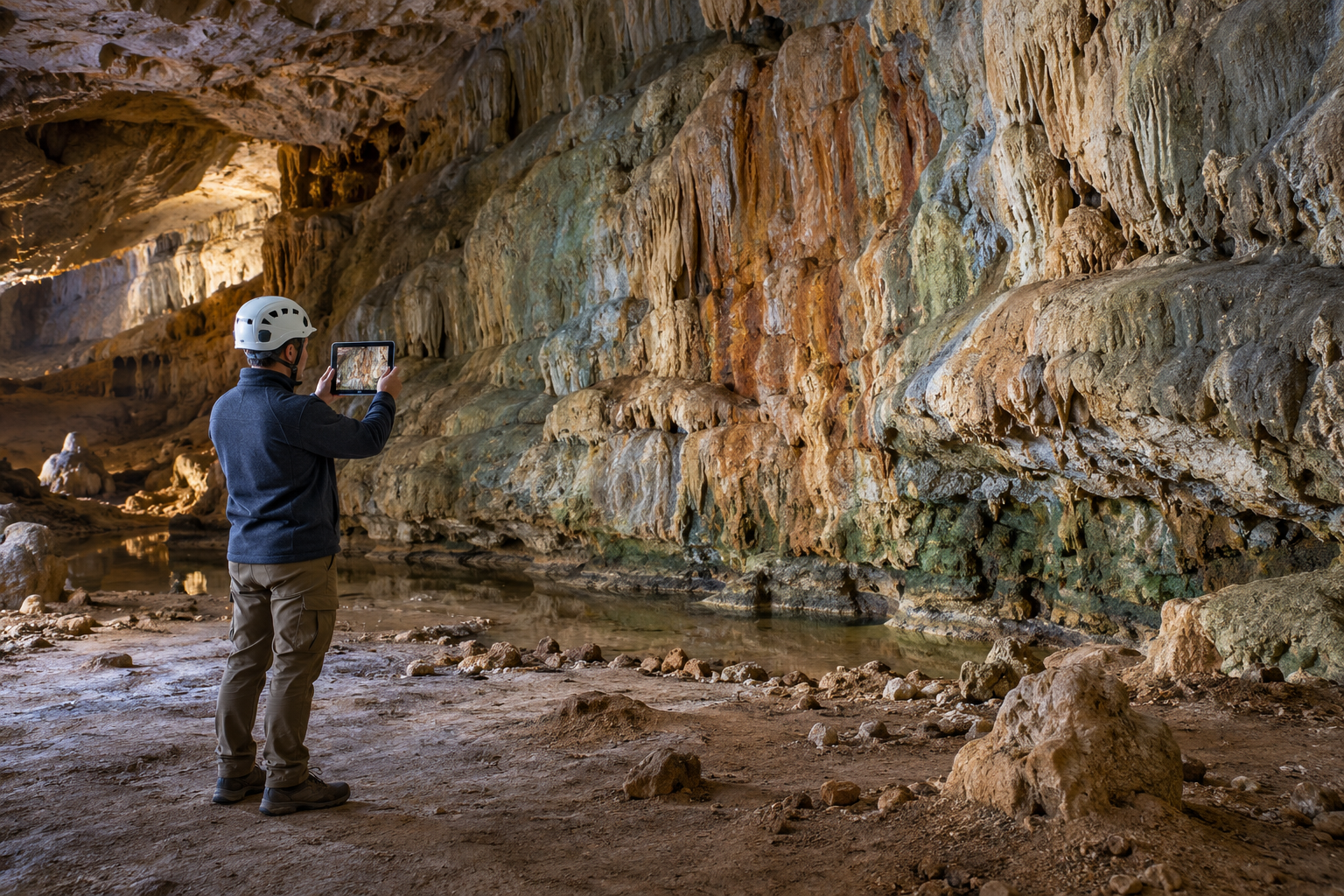
Concept illustration of an inspector in plain workwear standing safely on a dry grotto floor photographing a rock wall with a tablet, wide view showing the wall and inspection context

A useful inspection turns an impression into a record that someone else can understand. Instead of noting that a wall looks tired, it identifies the location, material, visible change, extent, and conditions at the time of observation. Inspections & Condition Assessment develops that disciplined approach for grotto environments. Rockwork, drainage, water effects, lighting, access routes, and concealed systems each need an appropriate level of attention. Routine observation by an owner or operator is different from a structural investigation, electrical inspection, or specialist material assessment. This collection explains how those activities can connect without confusing their purposes. Explore consistent photographs, location maps, baseline records, change tracking, and the questions that help a specialist interpret a concern. A stain seen after rainfall may carry different information from one that appears only while a waterfall operates. A repair should also leave a record of what was changed and why. Readers can use these topics to build a useful history of the setting, supporting timely decisions and reducing the chance that significant changes disappear into memory or informal conversations.

Baseline: Record the starting condition.
Location reference: Identify where an observation belongs.
Material identity: Note what is being examined.
Visible condition: Describe evidence without guessing its cause.
Extent: Record the area or distribution involved.
Operating context: Note weather and system status.
Inspection scope: State what was and was not reviewed.
Competence: Match the task to appropriate expertise.
Follow-up: Assign responsibility and timing.
Record continuity: Preserve a usable condition history.
Lighting differences: Shadows can resemble surface changes.
Wet surfaces: Moisture alters color and sheen.
Photographic scale: Close views need context.
Hidden areas: Inaccessibility limits conclusions.
Recent repairs: New work can affect interpretation.
Seasonal patterns: Similar timing may reveal useful relationships.
Repeated locations: Consistent reference points improve comparison.
Observation limits: A photograph cannot establish every cause.
Urgent defects: Some findings require immediate restriction.
Closed actions: Completion should be documented.
Location plans: Give each feature a stable reference.
Camera records: Capture overview, context, and detail.
Inspection templates: Separate observations from conclusions.
Material schedules: Identify installed systems.
Maintenance histories: Connect past work to current conditions.
Weather notes: Record relevant recent exposure.
Specialist reports: Preserve findings and limitations.
Action trackers: Follow issues to resolution.
Comparison photographs: Repeat useful viewpoints.
Handover archives: Keep original drawings and specifications.
Description before diagnosis: Accurate observations preserve options.
Trend value: Small changes become clearer across repeated records.
Scope transparency: Unseen areas should not be assumed sound.
System relationships: A visible symptom may originate elsewhere.
Repair accountability: Document both intervention and outcome.
Prioritization: Consequence matters alongside visible size.
Information quality: Precise context can reduce unnecessary investigation.
Access planning: Inspection needs should influence future alterations.
Independent review: Specialist assessment may be needed beyond routine checks.
Institutional memory: Records protect knowledge when personnel change.
Photographic illusions: Directional light can exaggerate texture.
Rain signatures: Moisture patterns may follow concealed paths.
Repeated viewpoints: Familiar framing reveals gradual change.
Surface stories: Repairs can leave a readable chronology.
Quiet evidence: A small deposit may mark recurring water movement.
Seasonal comparisons: Matching times of year can improve interpretation.
Context matters: One close-up rarely explains the whole feature.
Record longevity: A clear location label can outlast staff memory.
Changing finishes: Weathering can alter appearance without equal changes in function.
Observation habits: Regular attention improves recognition of unusual conditions.
Q: Can routine observation replace specialist inspection?
A: No. Different tasks require different expertise.
Q: What makes a useful photograph?
A: A clear location, context, detail, date, and relevant conditions.
Q: Should a cause be guessed immediately?
A: Record what is visible and distinguish hypotheses from findings.
Q: Why keep baseline records?
A: They help identify what has changed.
Q: How should inaccessible areas be treated?
A: State the limitation and arrange appropriate assessment when needed.
Q: Does a small defect always mean low risk?
A: Consequences and location also matter.
Q: What belongs in a repair record?
A: Scope, materials, date, responsible parties, and follow-up observations.
Q: Why note operating conditions?
A: Water and equipment status can explain when symptoms appear.
Q: Who should review structural concerns?
A: A qualified structural professional suited to the feature.
Q: When is an issue closed?
A: After the required action and verification are recorded.
Latest Inspections & Condition Assessment Articles